How Poultice Treatment Removes Stubborn Oil Stains from Driveways
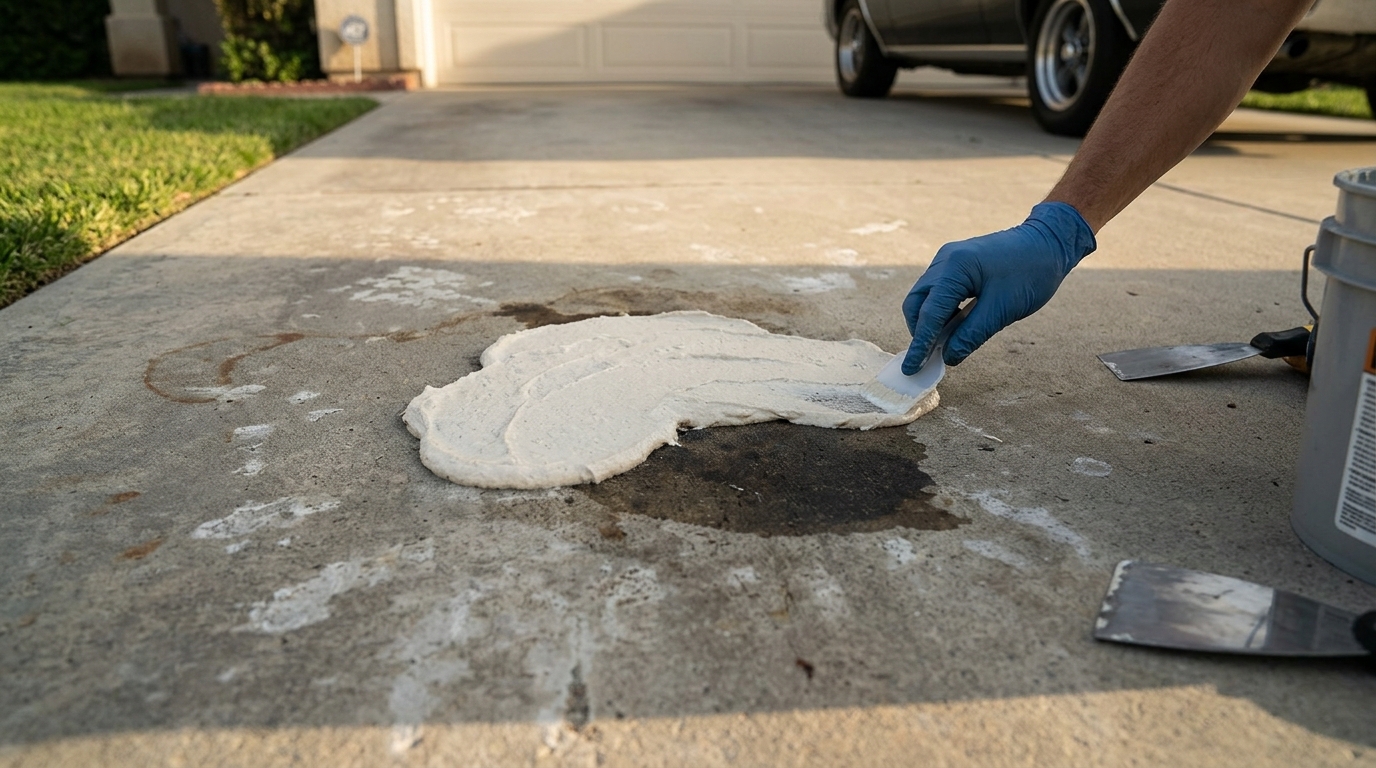
Poultice treatment removes stubborn oil stains by absorbing the hydrocarbons deep within the concrete or asphalt pores. This method is superior to standard rinsing because it pulls the stain out rather than pushing it deeper. D Pressure Wash in Victorville, California, utilizes this technique to restore curb appeal for homeowners dealing with persistent automotive fluids.
The Science of Absorption
Standard pressure washing often fails on these deep-set stains because high-pressure water can force the oil further into the pores. By contrast, a poultice works passively, allowing the chemistry to do the work without mechanical force. This distinction is vital for preserving the integrity of the driveway surface while effectively eliminating the discoloration. For additional details, review the Professional Lawn Mowing Services.
Choosing the Right Carrier Material
The choice of solvent is equally important. Solvents such as mineral spirits or acetone are used to dissolve the oil before the carrier absorbs it. The ratio of solvent to carrier must be precise. Too much solvent can saturate the carrier and cause it to break down, while too little will not dissolve the oil effectively. Professionals at D Pressure Wash assess the specific type of oil and the age of the stain to select the optimal carrier and solvent combination. For additional details, review the Victorville Rust Removal Services.
Application and Drying Process
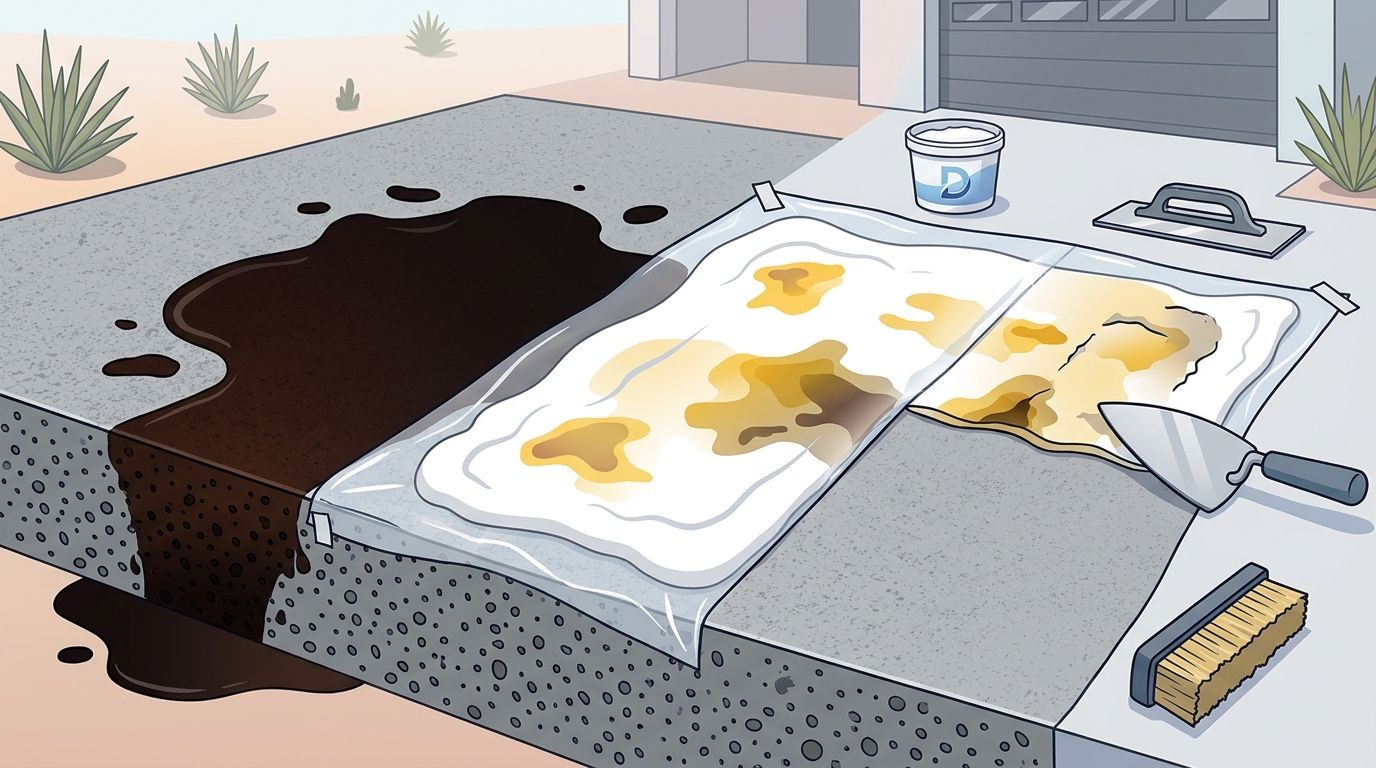
Applying a poultice requires patience and precision. The mixture is spread over the stain to a thickness of about one inch. It is then covered with plastic wrap to prevent the solvent from evaporating too quickly. The plastic wrap traps the moisture, ensuring the poultice remains active for the required duration. This step is crucial because premature drying can leave the oil trapped in the concrete. For additional details, review the Edging Services in Victorville.
The drying time varies based on the carrier material and environmental conditions. Typically, a poultice needs to dry for 24 to 48 hours. During this period, the carrier absorbs the oil and the solvent evaporates. Once fully dry, the poultice hardens and can be scraped off. The removed material will appear dark, indicating that it has successfully absorbed the oil. This visual confirmation is a key indicator of the treatment's success.
Post-Treatment Care and Prevention
After removing the poultice, the driveway surface may appear lighter than the surrounding area. This is normal and usually evens out over time. However, it is important to rinse the area gently to remove any residual solvent. Applying a concrete sealer after the poultice treatment can help protect the driveway from future stains. Sealers create a barrier that makes it harder for oil to penetrate the surface.
Prevention is the best strategy for maintaining a clean driveway. Regular sweeping and immediate cleanup of spills can prevent stains from setting. Using oil-absorbing products for spills can also minimize the need for poultice treatment. D Pressure Wash offers comprehensive driveway cleaning services that include both stain removal and preventive maintenance. By combining professional cleaning with proper sealing, homeowners can enjoy a clean and durable driveway for years.
Key Takeaways
- Poultice treatment absorbs oil from deep within driveway pores, unlike standard rinsing.
- The carrier material and solvent ratio are critical for effective stain removal.
- Plastic wrap is used to prevent premature drying and ensure full absorption.
- Drying times typically range from 24 to 48 hours depending on the material.
- Post-treatment sealing helps protect the driveway from future oil stains.
- Professional assessment ensures the correct poultice type is used for the specific stain.
Frequently Asked Questions
How long does a poultice need to dry?
A poultice typically needs to dry for 24 to 48 hours. The exact time depends on the carrier material and environmental conditions such as temperature and humidity.
Can I use a poultice on asphalt?
Yes, poultice treatment can be used on asphalt. However, the carrier material may need to be adjusted to ensure it does not damage the asphalt binder.
What happens if the poultice dries too quickly?
If the poultice dries too quickly, it may not absorb all the oil. This can leave a partial stain. Using plastic wrap helps prevent this by trapping moisture.
Is poultice treatment safe for the environment?
When disposed of properly, poultice treatment is safe for the environment. The used poultice should be bagged and disposed of in the trash, not flushed down the drain.
How often should I seal my driveway?
It is recommended to seal your driveway every two to three years. This helps protect the surface from oil stains and other contaminants.
Can I remove the poultice with a pressure washer?
No, you should not use a pressure washer to remove the poultice. The hardened poultice should be scraped off gently to avoid damaging the driveway surface.